Dr. Kumar Saurav — Consultant Urologist & Andrologist

SANT PARMANAND HOSPITAL

Urology care near Sant Parmanand Hospital

A hospital-linked urology page for patients who want to know how to prepare for a Civil Lines visit and when a faster hospital pathway is better than waiting at home.

OVERVIEW

Why this hospital page exists for Civil Lines patients

Sant Parmanand Hospital is useful for urology patients because stones, infections, and urinary blockage sometimes need tests or escalation that are easier on a hospital campus. The visit is still a consultation, but the setting makes the next step easier to arrange when it matters.

Patients often come with one question: do I need medicine, a scan, or a procedure? The consultation should answer that in order, using your reports rather than assumptions.

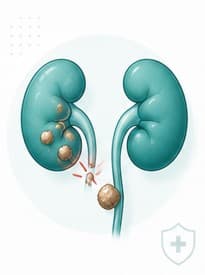
Urologist near Sant Parmanand Hospital care overview

DOCTOR

Meet Dr. Kumar Saurav

Profile summary for first-time visitors.

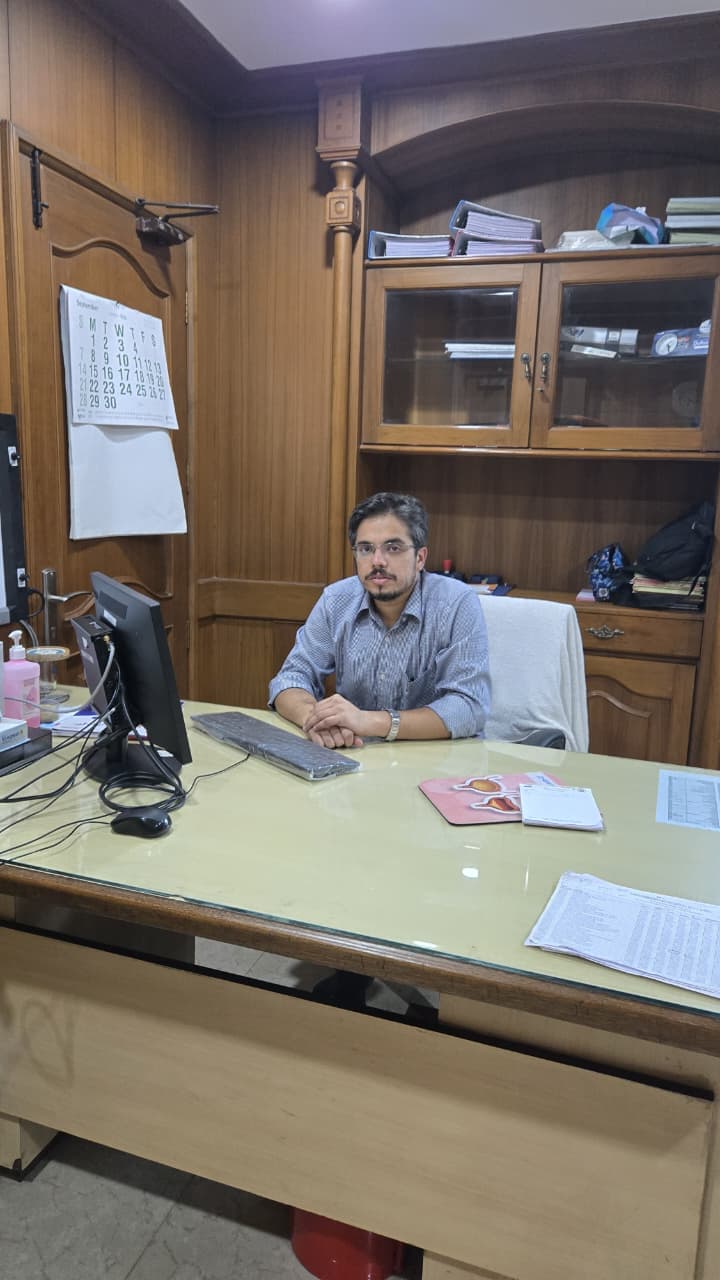
Portrait of Dr. Kumar Saurav

Dr. Kumar Saurav

Consultant Urologist & Andrologist

Civil Lines- and Model Town-based practice covering kidney stones, prostate symptoms, urinary infections, sexual health, and other common urology concerns.

  • • Sant Parmanand Hospital — Civil Lines
  • • Clinic — C-5 Model Town 3rd, New Delhi
CLINIC INFORMATION

Where to visit

Hours and addresses for this centre.

Sant Parmanand Hospital

Room 231, Second Floor, Civil Lines, New Delhi

Tuesday / Thursday / Saturday 11:00 AM – 1:00 PM 3:00 PM – 5:30 PM Sunday: Closed

Clinic map

Loading map of Model Town and Civil Lines clinic locations…

Get Directions
Confirm open days before travel—Civil Lines OPD and Model Town weeks differ.
Who this local clinic helps

SYMPTOMS

Who books this page most often

This page suits people who already know the hospital they want to attend and need the urologist consultation linked to it. That is common for stone patients, patients with blood in urine, and men whose urinary stream has become a daily problem.

If the concern is severe, hospital-linked care is often reassuring because the same campus can support a quicker move to imaging or urgent evaluation when required.

  • Stone pain or a stone on scan
  • Blood in urine that needs explanation
  • Recurring infection or fever
  • Slow stream or retention symptoms

CAUSES & RISK FACTORS

What the hospital setting adds to care

The hospital setting helps when testing and decision-making need to happen close together. It can be especially useful when a scan shows an obstructing stone or the bladder is not emptying properly.

Bring the latest reports, but do not worry if you do not have every older file. The most recent symptom pattern and the newest report are usually the most important starting points.

  • Close to tests

    Useful when blood work or imaging may be needed.

  • Escalation ready

    A hospital campus helps if symptoms are more serious.

  • Stone-friendly setting

    Good when pain and blockage are the main issue.

  • Practical preparation

    Bring reports, medicines, and a short symptom timeline.

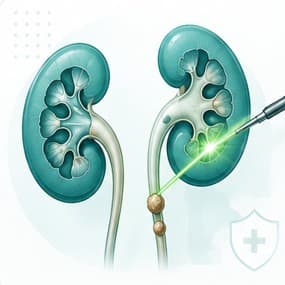
Clinic focus areas

DIAGNOSIS

How the first visit usually runs

The consultation focuses on the story first: what hurts, how long it has happened, whether urine flow changed, and whether there is fever or blood. Then the examination and tests are chosen to answer those specific questions.

You should know before leaving whether the condition is likely to be watched, treated medically, or discussed for a procedure. That clarity is especially useful in a hospital setting where many patients arrive with incomplete information.

  • Latest scan or urine report
  • Medication list
  • Pain, fever, or flow timeline
  • Decide whether hospital testing is needed
Visit process

TREATMENT OPTIONS

Common concerns in this setting

Stone care, prostate symptoms, urinary infection, and blood in urine are the usual hospital-linked reasons to attend. Men sometimes also come for fertility or sexual-health concerns if they want one urology review that keeps everything together.

The aim is always to match the concern to the least invasive safe option. If a procedure is not needed, that should be clear as well.

  • Stone decisions

    Observation, medicine, or procedure depending on the report.

  • Prostate symptoms

    Slow stream and incomplete emptying are reviewed carefully.

  • Infection with fever

    A hospital campus matters more when symptoms feel systemic.

  • Follow-up planning

    Hospital days can anchor the next step if the case is complex.

Care benefits

BENEFITS

Benefits of hospital-linked urology review

If the problem is more than a simple one-off symptom, a hospital-linked visit can reduce delays. It makes repeat testing, imaging, and urgent escalation easier to organize without changing the whole care plan.

That is especially helpful for people with recurring stone pain or infection, where the same issue can keep returning until the cause is addressed.

  • More efficient testing when needed
  • Better for potentially urgent symptoms
  • Clearer handling of stone and blockage cases
  • Good for people who prefer hospital continuity

RECOVERY & FOLLOW-UP

Aftercare and follow-up at the hospital

Aftercare depends on the diagnosis. Some people need only prevention advice; others need a review after a stone procedure, a culture-based antibiotic course, or a prostate treatment plan.

Do not treat the hospital visit as the end of the story if symptoms were recurring before you came. Follow-up is what makes the next episode less likely.

  • Keep discharge notes together
  • Save the review date
  • Track recurrence of pain or burning
  • Return quickly for fever or retention
Aftercare guidance

WHEN TO CONSULT

When not to wait for an open slot

Life-threatening symptoms need hospital emergency care—not only the next OPD slot.

Seek urgent review if you have fever with stone pain, can not pass urine, are passing clots, or have sudden severe pain in the scrotum. Routine booking is for stable but unresolved symptoms.

If the symptom is worsening every day, it is no longer a ?maybe later? issue. That is when the hospital setting becomes useful.

  • Fever and flank pain
  • Urinary retention
  • Visible clots in urine
  • Sudden scrotal pain

FAQS

Frequently asked questions

Answers to common clinical and practical questions about this condition or treatment.

No. It is the hospital-linked urology option for the same North Delhi practice.

Yes. The consult can decide whether a scan is actually needed.

No. It only means escalation is easier if the case needs it.

Bring current reports, medicines, and a short description of when the symptoms started.