
FAQS
Frequently asked questions
Practical answers for booking, clinic selection, and common urology questions. Medical plans still require personal assessment.
OVERVIEW
Answers before you book your visit
Most patients open FAQs before a first visit: How do I book? Is the Model Town clinic open this evening? Should blood in urine wait for an OPD day, or go to hospital now?
Answers here stay general on purpose. Medicine choice, procedure timing, and the seriousness of your symptoms are decided only after history and examination with Dr. Kumar Saurav.
If you already know your concern - kidney stones, prostate symptoms, infection, or sexual health - open that condition or treatment note after reading here, then book Civil Lines or Model Town with a short description of symptoms.
Phones, email, Sant Parmanand Hospital OPD days, and Model Town hours live on contact and locations. Online, phone, and WhatsApp booking steps are on the appointment page.
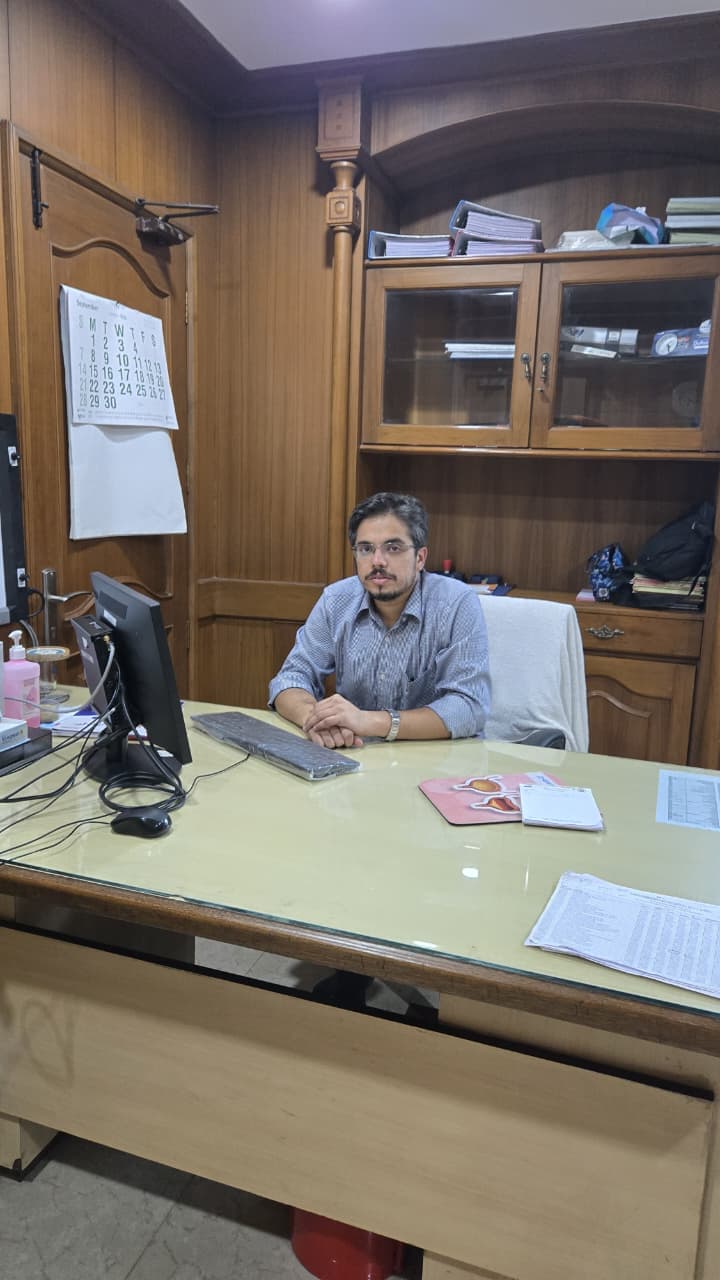
FAQS
Common questions patients ask questions
Booking, clinic days, prostate and stone concerns, and when not to wait for a routine slot.
Kidney stones, enlarged prostate, blood in urine, urinary infection, frequent urination, erectile dysfunction, premature ejaculation, phimosis, hydrocele, varicocele, male infertility, and bladder symptoms.
Book soon for blood in urine, weak stream, recurrent burning urination, scrotal swelling, testicular pain, inability to empty the bladder, or erection and fertility concerns that are not improving.
Use the book appointment page, the online Docterz booking link, call Appointment +91 99101 18030, or WhatsApp. For urgent contact only use Emergency +91 77019 20007. State whether you prefer Sant Parmanand Hospital OPD (Civil Lines) or Model Town clinic.
Clinic care is based at Sant Parmanand Hospital, Civil Lines (Ground Floor)—Mon/Wed/Fri 4:00 PM - 5:00 PM and Tue/Thu/Sat 11:00 AM - 5:00 PM—and the Model Town clinic—Monday to Saturday 5:30 PM - 7:00 PM. Sunday is closed at both locations.
Not always. Ultrasound is ordered when it changes management. Some visits are counselling-only when recent imaging or a urine report is already available.
Through history, examination, and indicated tests. The doctor may request urine tests, ultrasound, CT, flow studies, PSA, semen analysis, or other targeted work-up depending on the symptom pattern.
Bring semen analysis reports, hormone tests if already done, prior surgery notes, a list of medicines, and any scan or infection report. A timeline of how long conception has been difficult is also useful.
Yes. The practice can assess testicular pain, swelling, phimosis, infection, and urinary concerns in adolescents with age-appropriate discussion and consent.
Surgery is considered when medicines, observation, or minimally invasive options are not enough. Risks, alternatives, expected recovery, and follow-up are discussed before anything is scheduled.
Bring the full report, not only a screenshot of one value. Context such as reference ranges, imaging method, and whether the scan or urine sample was recent matters for interpretation.
For booking and basic logistics, use the listed phones or WhatsApp. If symptoms are severe or changing quickly, do not wait for a reply—go to hospital emergency care.
Open the treatments page for laser stone, prostate, sexual health, infection, and men's health care; the conditions page for symptom-by-symptom guidance; and contact for phones and addresses.
SAFETY
Main line vs emergency care
If you recognise emergency patterns, prioritise hospital care first.
OPD-style booking is appropriate for kidney stones without fever, frequent urination, enlarged prostate follow-up, erectile concerns, fertility questions, and review of past scans or reports.
Use the primary line for routine bookings and the secondary line (+91 77019 20007) as an alternate contact number when the main line is busy or unavailable.
Go to emergency services for inability to pass urine, severe flank pain with fever or vomiting, sudden testicular pain, collapse, or heavy bleeding in urine.
If unsure, call the clinic line and state the symptom, temperature, urine colour, pain score, and how quickly the problem started. Staff may redirect you to emergency rather than a delayed elective slot—that is appropriate triage.