
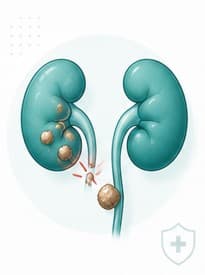
Kidney stones
Sharp flank pain, nausea, or blood in urine that may come and go with stone movement.
CONDITIONS
Kidney stones, weak stream, blood in urine, infection, erection concerns, swelling, or fertility questions—understand what usually needs assessment, then book with Dr. Kumar Saurav in Civil Lines or Model Town.
OVERVIEW
Urology symptoms can overlap: frequency, urgency, weak stream, burning, blood in urine, pain, or scrotal swelling may come from very different causes. The first visit sorts the likely cause before any treatment is chosen.
Dr. Kumar Saurav sees men and women for stones, prostate problems, urinary infections, bladder concerns, male infertility, erectile dysfunction, phimosis, hydrocele, varicocele, and testicular pain.
Each card summarises what people usually notice and when to book sooner. Treatment is decided in clinic after history, examination, and the right tests.
Consult at Sant Parmanand Hospital, Civil Lines, or the Model Town clinic. Bring recent urine reports, scans, semen analysis, or discharge summaries so useful information is not repeated without reason.
COMMON CONCERNS
Match the concern closest to what you feel, then book for personal assessment.
Sharp flank pain, nausea, or blood in urine that may come and go with stone movement.
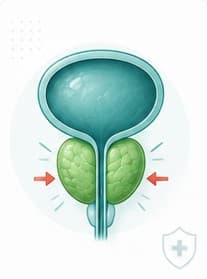
Weak stream, dribbling, night-time urination, and the feeling of incomplete emptying.
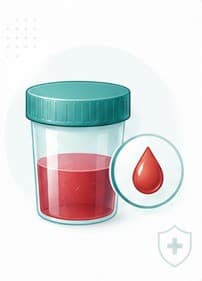
Painless or painful visible blood, or a report that shows microscopic haematuria.
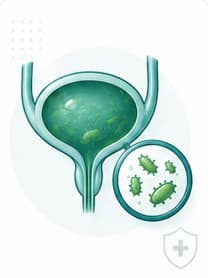
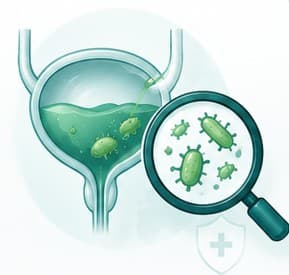
Burning urination, fever, cloudy urine, or repeated infection in men and women.
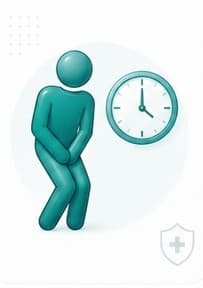
Going often, waking at night, urgency, or small voids that interfere with daily life.

Difficulty conceiving, low sperm count, hormone issues, or varicocele-related concerns.
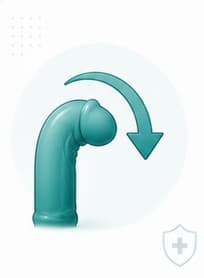
Difficulty achieving or maintaining erections, with or without reduced desire.
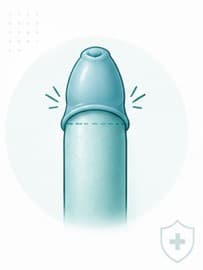
A tight foreskin that causes pain, tearing, hygiene trouble, or repeated infection.
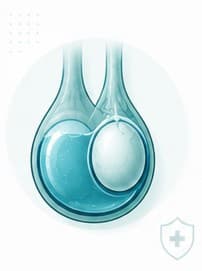
Scrotal swelling from fluid around the testicle that becomes heavy or bothersome.
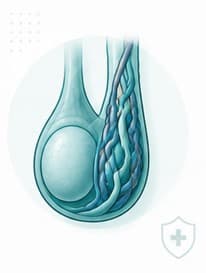
Enlarged veins around the testicle causing heaviness, ache, or fertility concerns.
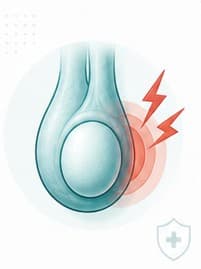
Sudden or dull pain from infection, torsion, strain, hernia, or scrotal swelling.
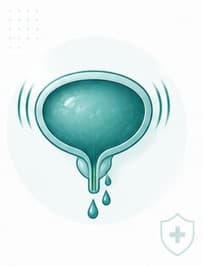
Urgency, leakage, overactive bladder symptoms, or trouble emptying the bladder.
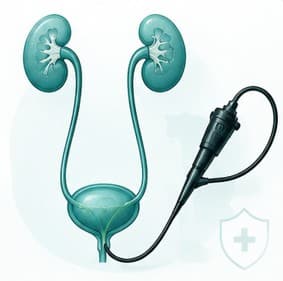
SYMPTOMS
Symptoms are timing data. Note the start date, severity scale 1-10, triggers, and treatments already tried. That list shortens the first visit and reduces guesswork.
Some symptoms need same-day hospital care: inability to pass urine, sudden severe testicular pain, fever with flank pain, or blood in urine with dizziness. Clinic pages schedule non-emergency evaluation.
CAUSES & RISK FACTORS
Cause lists online are often longer than a single patient’s list. Clinicians limit testing to the top two or three probabilities after history. That is efficiency, not dismissal.
Risk factors such as dehydration, smoking exposure, diabetes, prior stones, pelvic surgery, or a family history of prostate or kidney disease are recorded because they change screening choices.
Kidney stones, prostate enlargement, bladder outlet obstruction, and urinary retention can create overlapping symptoms.
UTI, prostatitis, epididymitis, and recurrent infection often need targeted urine tests and culture.
Erectile dysfunction, premature ejaculation, low sperm count, varicocele, and hormone changes can all be part of one work-up.
Overactive bladder, poor emptying, stones, blood in urine, and less common growths are sorted with scans and focused tests.

DIAGNOSIS
Diagnosis is a working label that guides the next action. It may refine after treatment or a follow-up scan. Ask which results would change the plan; that question prevents unused tests.
At Civil Lines and Model Town visits, bring printed or digital reports. Screen photos of scans are helpful when full films are unavailable, but formal reports remain preferred for decisions.
FAQS
Answers to common clinical and practical questions about this condition or treatment.
Blood in urine, severe flank pain, fever with urinary symptoms, sudden testicular pain, inability to pass urine, or heavy scrotal swelling should be reviewed promptly.
No. Some stones can be managed with medicines, hydration, and observation. Surgery or laser treatment is used when size, blockage, pain, or infection make it necessary.
No. It may come from infection, enlarged prostate, diabetes, overactive bladder, excess fluids, or irritation. The cause is identified from history, urine tests, and examination.
Yes. Many cases improve once the underlying cause is treated. Medicines, lifestyle changes, hormone evaluation, and other targeted treatments are chosen based on the full picture.
If the foreskin is painful, tears during cleaning or intercourse, keeps getting infected, or cannot retract comfortably, it should be reviewed rather than ignored.
Yes. Follow-up can continue at Sant Parmanand Hospital, Civil Lines, or the Model Town clinic depending on the schedule. Bring prior reports so care stays continuous.